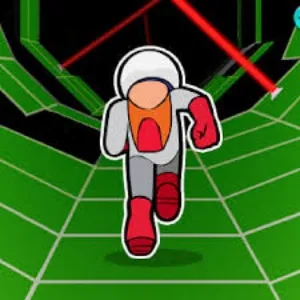
Escape Run
Parkour Game • Action Game
Play Escape Run
Tap Play, then tap inside the stage so controls reach the game.
 Escape Run
Game Info
- Game
- Escape Run
- Genre
- Parkour / Action
- Platform
- Browser / Mobile browsers
- Players
- Single Player
- Difficulty
- Medium — readable traps with room to learn
Escape Run Controls
For Escape Run, bind movement to either WASD or the arrow keys, but avoid mixing both at once—your fingers should always know exactly which hand is steering and which is handling jumps. If the game supports sensitivity options, lower horizontal acceleration slightly so lane changes feel deliberate rather than twitchy. Players on touch devices should experiment with swipe distance in the browser or OS settings; shorter swipes reduce travel time across the screen when you need to dodge at the last second.
About Escape Run
Escape Run is built around pure pressure: something dangerous is always closing in from behind. Each route is a cluttered corridor of pits, spike walls and shifting floor tiles that will not wait for you to think. The thrill comes from finding a clean line through the chaos, then repeating it faster and more confidently every time you restart.
Use the arrow keys or WASD to steer along twisting paths, tap jump to clear broken floor sections and long gaps, and slide under low beams at the last moment. Some segments mix narrow bridges with sudden side routes or falling platforms, forcing you to commit quickly or be swallowed by the threat that chases you. Checkpoints are rare, so learning the order of hazards across an entire run is key to finally breaking through.
Read more about Escape RunShow less
Do a few slow exploration runs just to learn where the most punishing traps appear. Once you know the route, focus on smooth, uninterrupted motion instead of wild last‑second saves, which usually kill your pace. Look slightly ahead of your character rather than at their feet, giving your brain more time to queue the next jump or slide. As you improve, challenge yourself to beat old escape times without taking unnecessary detours or panic inputs.
Browser play on this site is meant for short sessions: a few focused retries teach the section faster than an hour of angry mashing.
Escape Run on this website is offered as a browser HTML5 embed for quick sessions. Click Play, then click inside the stage so keyboard or touch input reaches the game instead of scrolling the page.
Progress here is about cleaner movement and better reads—not a long campaign menu. Fail, name the mistake, retry. That loop is the product.
Escape Run Screenshots
Escape Run Tips
- Click inside Escape Run before using the keyboard so input does not scroll the page.
- Survive the first clear before chasing optional collectibles.
- Name the reason for every death—early jump, late slide, wrong lane, or bad landing.
- Look two obstacles ahead while finishing the current move.
- Keep inputs deliberate; panic mashing creates new mistakes.
- Stop after two clean segments—tired hands fail first.
- Use fullscreen on small screens only after the embed has focus.
- Do a few slow exploration runs just to learn where the most punishing traps appear. Once you know the route, focus on smooth, uninterrupted motion instead of wild last‑second saves, which usually kill your pace. Look slightly ahead of your character rather than at their feet, giving your brain more time to queue the next jump or slide. As you improve, challenge yourself to beat old escape times without taking unnecessary detours or panic inputs.
- High‑level play is all about keeping the camera as far ahead of the chasing threat as possible without over‑committing into blind corners. Learn where you can ‘pre‑buffer’ actions—pressing jump or slide just before you reach an obstacle—so animations start at the earliest safe frame. In longer chases, pick two or three reference points on the environment, such as a statue or doorway, and use them as mental split times; if you consistently reach them slower than usual, reset your run and refocus instead of grinding out weak attempts.
How to Play Escape Run
Jumping
Use the arrow keys or WASD to steer along twisting paths, tap jump to clear broken floor sections and long gaps, and slide under low beams at the last moment. Some segments mix narrow bridges with sudden side routes or falling platforms, forcing you to commit quickly or be swallowed by the threat that chases you. Checkpoints are rare, so learning the order of hazards across an entire run is key to finally breaking through.
Sliding
Slide under low barriers with deliberate timing—early slides stall, late slides clip.
Movement tricks
Wall contacts, vaults, or momentum tricks only help after the safe line is known. Clear first, style later.
Avoiding traps
Look past the hazard you are clearing. Many fails happen after a successful move into the next trap with no recovery time.
Do a few slow exploration runs just to learn where the most punishing traps appear. Once you know the route, focus on smooth, uninterrupted motion instead of wild last‑second saves, which usually kill your pace. Look slightly ahead of your character rather than at their feet, giving your brain more time to queue the next jump or slide. As you improve, challenge yourself to beat old escape times without taking unnecessary detours or panic inputs.
Escape Run Levels
Escape Run uses short stages or escalating stretches built for retries. Exact stage counts and names can change with updates, so this guide avoids fake level lists.
Difficulty usually rises as jumps, slides, lane changes, or other verbs appear in tighter combinations—not only because a single obstacle looks larger.
A practical approach: clear once without optional pickups, then replay for cleaner movement or collectibles.
Escape Run on Mobile
Escape Run on this website is a browser HTML5 embed. You can play in a desktop or mobile browser without installing a desktop launcher from this page.
Some titles also exist as separate mobile store apps. Store builds can differ in menus, updates, saves, and control overlays. Clearing a stage in the browser embed does not automatically sync with an app save.
Desktop keyboards are often kinder for precise timing. On phones, keep the game area large enough to see upcoming obstacles and use fullscreen when the player supports it.
If controls fail, tap or click inside the game first. Then refresh or try another current browser if input still never arrives.
Escape Run vs Similar Games
| Game | Style | Difficulty | Main Mechanic |
|---|---|---|---|
| Escape Run | Parkour | Hard | Jump / Slide |
| Running Fred | 3D Runner | Hard | Dodge |
| Town Run | Parkour | Hard | Movement |
| Temple Run | Parkour | Hard | Movement |
Frequently Asked Questions
Escape Run frequently asked questions
Does the chaser actually catch you?
The main failure state is hitting traps. The chase mostly sets pace and keeps you moving forward.
Are there checkpoints?
They are rare. Expect to learn full segments and replay them until clean.
Best keys for Escape Run?
WASD or arrow keys for movement, space or up for jump, S or down for slide. Stay consistent.
Can I play Escape Run online?
Yes. The HTML5 player on this page runs in your browser—click in, then play.
You May Also Like