Platform
Stickman Challenge 2Precision jumps and tight rooms where timing ends the run instantly.
PlayParkour Game • Action Game
Tap Play, then tap inside the stage so controls reach the game.
 Cube Ninja
Cube Ninja is easiest to control on keyboard or gamepad with a single, dedicated flip button mapped to your strongest finger. On desktop, use the space bar or an easily reachable mouse button so you never have to stretch or reposition mid‑level. If you are playing in a browser on mobile, try to keep your thumb fixed over one spot on the screen and tap with a consistent motion—moving your hand around increases input delay and makes tight windows much harder to hit.
One dedicated flip or jump key with consistent timing beats mash spam.
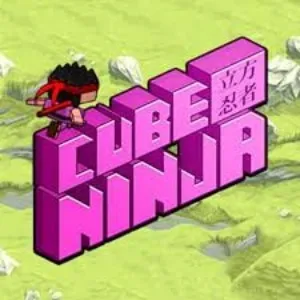
Cube Ninja shrinks classic spike‑jumping platformers down to brutal, bite‑sized corridors. You guide a tiny ninja cube that can cling to both floor and ceiling, squeezing through gaps barely wider than a tile. Every level is a short pattern to solve: once you figure out the exact flip sequence and timing, it feels incredibly satisfying to thread through the spikes without a scratch.
Your goal is simple: reach the exit without touching any spikes on the floor, ceiling or walls. Tap to flip your cube between surfaces while movement carries you forward automatically or with light nudges, depending on the level setup. Many rooms demand back‑to‑back flips, hugging a wall just long enough to clear a toothy row of spikes before swapping sides again. Because layouts are compact, restart times are instant, making it easy to drill routes until they become muscle memory.
Use wall or ceiling cling as a pause only when the layout gives you a safe tile. Leaving a cling late is still a timing fail.
Cube Ninja on this website is offered as a browser HTML5 embed for quick sessions. Click Play, then click inside the stage so keyboard or touch input reaches the game instead of scrolling the page.
Progress here is about cleaner movement and better reads—not a long campaign menu. Fail, name the mistake, retry. That loop is the product.
Flips between floor and ceiling are the jump equivalent—count the sequence.
Some rooms use brief clings instead of slides; leave the cling on purpose, not by accident.
Drill the room in segments. A clean mid-room cling is a checkpoint for your brain even if the game has none.
Look past the hazard you are clearing. Many fails happen after a successful move into the next trap with no recovery time.
Spike teeth are pattern puzzles. If you die on the same tooth twice, change the count—not the panic.
Cube Ninja uses short stages or escalating stretches built for retries. Exact stage counts and names can change with updates, so this guide avoids fake level lists.
Difficulty usually rises as jumps, slides, lane changes, or other verbs appear in tighter combinations—not only because a single obstacle looks larger.
A practical approach: clear once without optional pickups, then replay for cleaner movement or collectibles.
Cube Ninja on this website is a browser HTML5 embed. You can play in a desktop or mobile browser without installing a desktop launcher from this page.
Some titles also exist as separate mobile store apps. Store builds can differ in menus, updates, saves, and control overlays. Clearing a stage in the browser embed does not automatically sync with an app save.
Desktop keyboards are often kinder for precise timing. On phones, keep the game area large enough to see upcoming obstacles and use fullscreen when the player supports it.
If controls fail, tap or click inside the game first. Then refresh or try another current browser if input still never arrives.
| Game | Style | Difficulty | Main Mechanic |
|---|---|---|---|
| Cube Ninja | Parkour | Hard | Jump / Slide |
| Zrist | Parkour | Hard | Movement |
| X Trench Run | Parkour | Hard | Movement |
| Stickman Challenge 2 | Parkour | Hard | Movement |
Cube Ninja frequently asked questions
Usually Space or a tap on mobile. Click inside the player first so the browser does not steal the input.
No. It is a series of short spike rooms. Mastery comes from repeating patterns, not grinding levels.
You are likely flipping one beat early. Watch how far the cube drifts between flips and adjust from there.
Yes. This page loads an HTML5 build—open the player, focus it, and start flipping.
Platform
Stickman Challenge 2Precision jumps and tight rooms where timing ends the run instantly.
Play